7 Signs Your Home Could Be Affecting Your Wellbeing
We often think of our homes in terms of how they look — the colours we choose, the furniture we buy and how we style each room. But our homes can influence much more than our surroundings. They can affect how we feel, how we behave and even how easily we switch off at the end of the day.
The spaces we spend the most time in can either support our wellbeing or, sometimes without us realising it, work against it. Poor lighting, clutter, uncomfortable layouts, a lack of connection to nature or simply a space that doesn't feel like you can all have an impact on how you experience your home.
This doesn't mean your home needs to be perfectly designed or completely redecorated. Often, it's about recognising the small things that may be making a space feel less calming, comfortable or restorative than it could be.
So, how do you know if your home could be affecting your wellbeing?
Here are seven signs to look out for — and some things to consider if you recognise them in your own space.
1. You never feel completely relaxed at home.
Does coming home actually help you switch off?
You come home after a busy day but don't feel yourself relaxing, You sit down but still feel restless. You constantly feel like there is something you should be doing. Your home looks nice, but it doesn't feel calming. Do you find yourself wanting to escape to a hotel, spa, countryside or holiday home to properly switch off?
Your home should be somewhere you can retreat from the demands of everyday life. Yet sometimes, despite having a space we love, we can still find ourselves feeling restless, overwhelmed or unable to properly relax.
There are many reasons this might happen. A cluttered environment, harsh lighting, an uncomfortable layout or too much visual stimulation can all influence the way we experience a room. Even things we don't consciously notice — such as noise, movement through a space or a lack of connection to nature — can contribute to how calm or unsettled we feel.
This is where wellness design takes a slightly different approach to traditional interior design. Rather than considering only how a room looks, it considers how the space feels and functions for the person living in it. Lighting, materials, colour, texture, acoustics, layout and connection to nature can all work together to create an environment that feels more calming and restorative.
A beautiful home isn't necessarily a relaxing home. The most successful spaces are those that support the way you actually want to live — giving you somewhere to unwind, recharge and feel at ease.
Take a moment to think about your own home. Which room do you naturally gravitate towards when you want to relax? And which room never quite feels right? The difference between the two could reveal more about your environment than you realise.
2. Clutter seems to make you feel stressed
Have you ever noticed how much easier it is to relax when your surroundings feel clear and organised? Clutter can create visual noise, making it harder for our minds to switch off — particularly when there are unfinished tasks, overflowing surfaces or belongings without a designated place.
This doesn't mean your home needs to be perfectly tidy. It's about creating an environment that feels manageable and intentional. Thoughtful storage, considered furniture placement and reducing unnecessary visual distractions can all help a space feel calmer.
Sometimes, creating a more restorative home isn't about adding more — it's about knowing what to take away.
3. Your home feels dark or disconnected from nature
Natural light and our connection to the outdoors can play an important role in how we experience a space. If your home feels dark, lacks views outside or feels disconnected from nature, you may notice that it doesn't feel as uplifting or restorative as you'd like.
This is particularly interesting because our relationship with nature is something we often overlook when thinking about our interiors. The presence, absence and quality of natural elements within a home can subtly influence the atmosphere of a space and how we feel within it.
If your home feels noticeably different depending on the amount of daylight or whether you can see greenery outside, it could be worth considering the role your surroundings are playing in your wellbeing.
4. You struggle to switch off in the evening
Do you find it difficult to transition from a busy day into a more relaxed evening, even when you're at home?
Our surroundings can sometimes blur the boundaries between work, rest and everyday responsibilities. When the spaces around us continue to remind us of unfinished tasks, work or things that need to be done, it can be harder to feel as though we've truly switched off.
Your home should ideally provide a sense of retreat from the outside world. If you rarely experience that feeling of slowing down when you come home, it may be worth looking at how your environment is influencing your ability to relax.

5. Your space doesn't work with your daily routine.
Sometimes the problem isn't how your home looks, but how it works.
If you're constantly navigating awkward spaces, moving things around, struggling to find what you need or feeling frustrated by the way a room functions, these small inconveniences can have a bigger impact than you might expect.
Our homes are part of our everyday routines, so when a space consistently creates friction rather than ease, it can gradually contribute to feelings of frustration and stress.
A well-designed home should feel intuitive to live in — not something you have to constantly work around.
6. Certain rooms leave you feeling drained.
Have you ever noticed that there are certain rooms in your home that you simply don't enjoy spending time in?
You might not be able to pinpoint exactly why, but the space may leave you feeling uncomfortable, restless or drained. This response can be influenced by a combination of environmental factors, including light, sound, temperature, proportions, materials and the overall atmosphere of a room.
It's easy to dismiss these feelings as simply not liking the décor, but our response to a space can be much more complex than that.
Pay attention to how you feel as you move through your home. Which spaces make you want to stay, and which make you want to leave?
7. Your home doesn't feel like you
Your home is one of the most personal environments you experience every day. It is where you begin and end your day, where you retreat when you need space, and where many of your everyday routines take place. So how does it feel when the space around you doesn't feel like you?
It's surprisingly easy for our homes to become a reflection of trends rather than ourselves. We might choose what is fashionable, recreate something we've seen online, or follow what we think a beautiful home is supposed to look like. And while there is nothing wrong with being inspired by trends, a home can begin to feel impersonal when the focus is more on how it looks to others than how it feels to the person living there.
You might have a beautifully styled room, but still feel that something is missing. Perhaps the colours don't feel like you, the furniture doesn't reflect the way you live, or there are very few personal elements that tell your story. The result can be a space that looks finished, but doesn't necessarily feel like home.
There is also a deeper connection between our surroundings and our sense of identity. The objects, colours, materials, photographs and memories we choose to surround ourselves with can create familiarity and a sense of belonging. When our environment feels personal and meaningful, it can help create that feeling of comfort that is difficult to achieve through aesthetics alone.
This is why there isn't one definition of a ‘wellness home’. What makes one person feel calm and grounded might make someone else feel completely different. A minimalist space may feel wonderfully peaceful to one person, while another may find comfort in a home filled with colour, books, artwork and objects collected over time.
Wellness isn't about creating a particular look. It's about creating an environment that supports you as an individual.
So ask yourself: if someone walked into your home without knowing you, would they be able to get a sense of who you are and how you want to live?
If the answer is no, perhaps your home isn't quite telling your story yet.
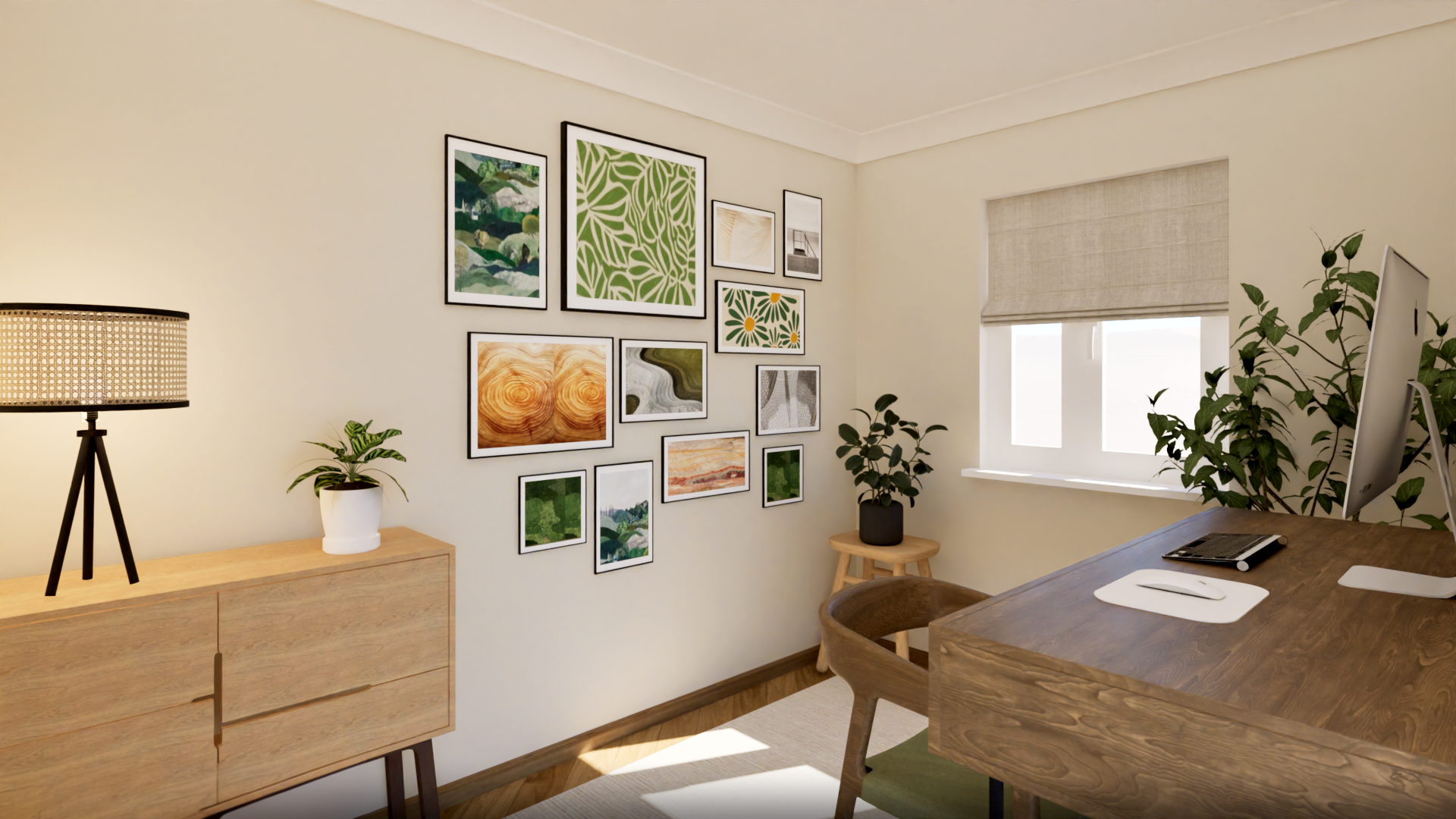
Your home has a greater influence on how you feel than you might realise. Wellness design considers everything from light and layout to materials, nature and sensory comfort to create a space that supports your wellbeing.
At Olivia & Ember, we create bespoke wellness-focused interiors for residential clients, bringing together the principles of wellness design with thoughtful, considered interiors. Every design is tailored to you, your space and the way you want your home to feel.
Whether you're looking to transform one room or simply need a fresh perspective on how your home could better support your wellbeing, my design packages offer a considered approach to creating a space that feels truly yours.
Because when your home feels good, you feel good too.