the main misconceptions of wellness design
As wellness design continues to grow in popularity, it's also becoming a term that's widely used—and sometimes misunderstood. From social media trends to beautifully curated interiors, it's easy to assume that wellness design is simply about creating a certain aesthetic or filling a home with natural elements.
In reality, wellness design is far more thoughtful than that. It is a research-informed approach that considers how our surroundings influence the way we live, feel and function. Before exploring how wellness design can transform a home, let's address some of the most common misconceptions.

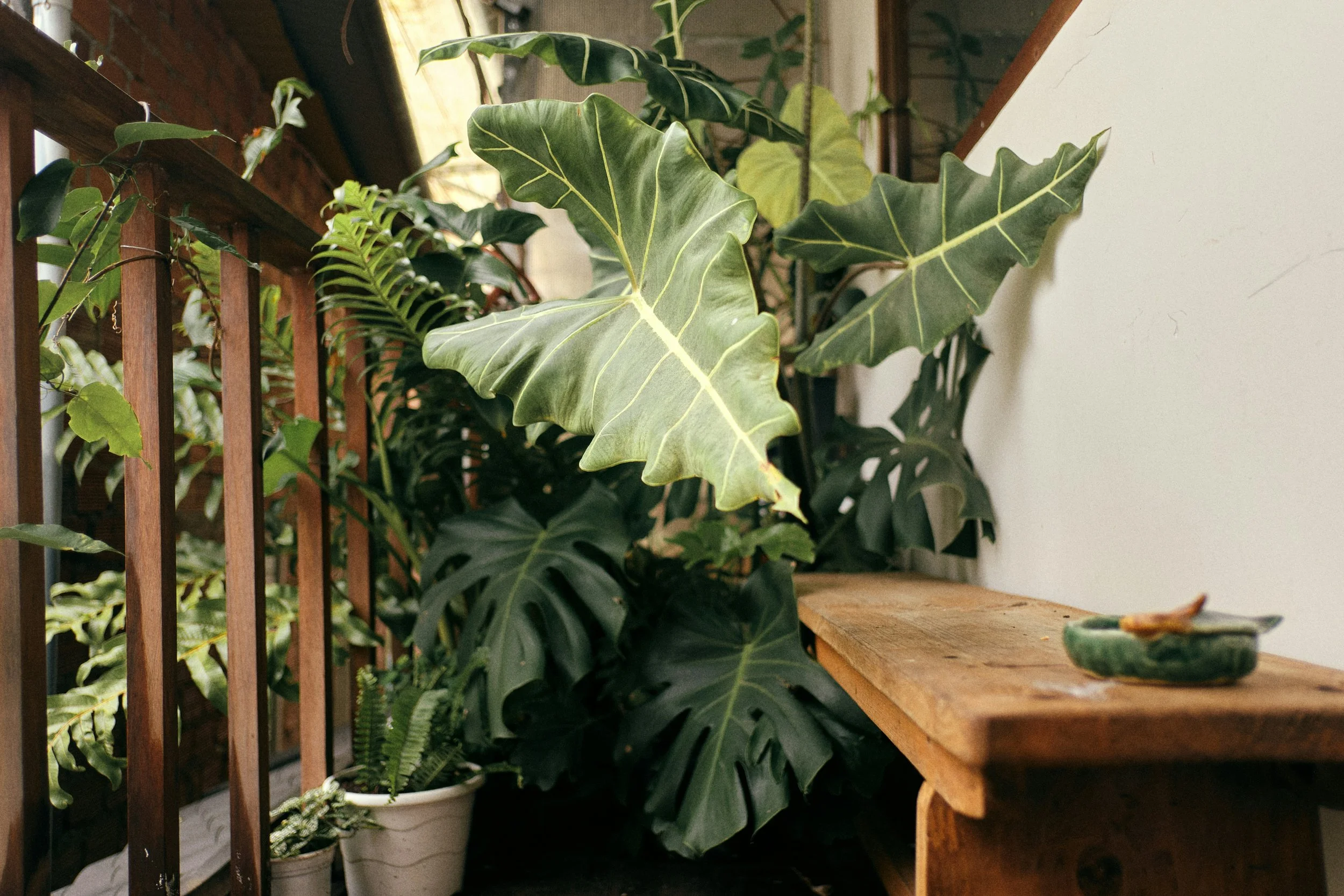
‘Wellness Design is just adding plants’
This is probably the biggest misconception.
Many people associate wellness or biophilic design with filling a room with houseplants. While plants can contribute to a connection with nature, they are only one small part of a much broader design philosophy.
‘It’s a style’
People often think wellness design has a particular aesthetic—lots of beige, minimal furniture and earthy tones.
In reality, wellness design isn't a style at all. It's an approach.
Whether your home is contemporary, traditional, Scandinavian or industrial, wellness principles can be integrated without changing your personal taste.
‘It’s based on trends’
With wellness becoming a popular marketing term, it's easy to assume it's another passing interior design trend.
In reality, many wellness principles are informed by decades of research into environmental psychology, human behaviour, architecture and our relationship with nature.
‘Anyone can copy it from Pinterest’
Pinterest is full of beautiful interiors, but wellness design goes beyond visual inspiration.
Two rooms may look similar, yet one may support the occupants' lifestyle far better than the other because it has been designed around how they actually live, move and use the space.
Wellness design is far more than a passing trend or a collection of stylish features. It is a considered approach to creating homes that support the way we live, feel and function every day. By understanding the science behind our relationship with our surroundings, it's possible to design spaces that not only look beautiful but also promote comfort, balance and long-term wellbeing. If this article has challenged some of the common misconceptions surrounding wellness design, perhaps it's also an opportunity to look at your own home in a new light—not just for how it appears, but for how it makes you feel.
Ready to begin your wellness journey? Get in touch to book an initial consultation, or follow Olivia & Ember for more insights into creating beautiful homes that nurture everyday wellbeing.